
Blog provided by Galavanta Colombia.
Colombia’s culinary story unfolds like its landscapes, layered, vibrant, and quietly surprising. For years, the country’s gastronomy lived in the intimacy of homes and local markets; today, it has stepped confidently onto the global stage, guided by a new generation of chefs who reinterpret tradition with precision, restraint, and deep respect for origin. This is contemporary Colombian cuisine, rooted in memory, yet expressed with a refined, modern sensibility.
At the forefront of this evolution are restaurants that have earned international acclaim. In Latin America’s 50 Best Restaurants, names such as Leo, El Chato, Celele, and Humo Negro have redefined the narrative, each offering a distinct exploration of Colombia’s biodiversity and cultural heritage. On the global stage, The World’s 50 Best Restaurants has also recognized Leo, El Chato, and Celele, further cementing Colombia’s place among the world’s most exciting culinary destinations.
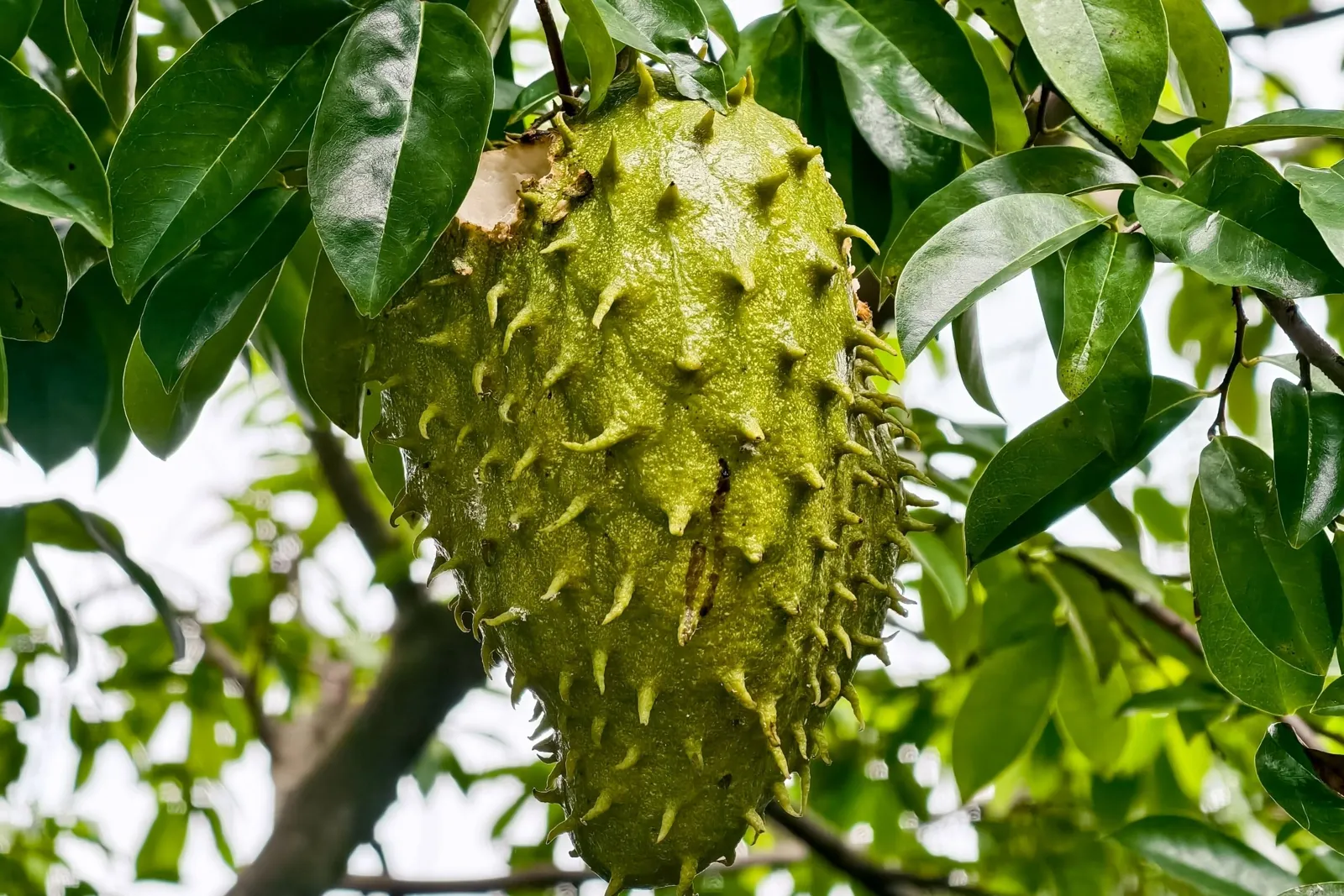
What distinguishes Colombia, perhaps more than anywhere else, is its extraordinary biodiversity, most vividly expressed through its fruits. From the citrus brightness of lulo and maracuyá to the creamy sweetness of chontaduro and the floral complexity of guanábana, the country offers an ever changing palette of flavors. Many of these fruits remain unknown beyond its borders, yet they are central to both traditional preparations and contemporary tasting menus, where chefs transform them into delicate sauces, ferments, and desserts.
This richness extends across regions, each with its own culinary identity. Along the Caribbean coast, Afro-Colombian influences bring depth and warmth through coconut rice, slow cooked seafood, and layered spices. In the Andes, techniques are more restrained, highlighting grains, tubers, and high altitude produce. The Pacific coast offers one of the most distinctive cuisines in Latin America, lush, ancestral, and deeply tied to rainforest ingredients, while the Amazon introduces a world of indigenous flavors rarely encountered elsewhere. Together, these regions form a mosaic of cultures, histories, and tastes that feel both diverse and cohesive.
Despite its rising prestige, Colombia remains refreshingly accessible. Securing a table at even the most celebrated restaurants is often effortless, and the overall price to value ratio is exceptional by global standards. This allows travelers to explore widely, moving from refined tasting menus to humble market stalls without compromise.
And it is beyond the dining room where Colombia reveals its true depth as a culinary destination. Mornings might begin in the vibrant bustle of a local market, where stalls overflow with exotic fruits and freshly caught fish. Afternoons can unfold in the rolling hills of a coffee hacienda, where guests trace the journey from bean to cup, culminating in a guided tasting that rivals the world’s finest wine experiences. Elsewhere, artisanal chocolate tastings showcase Colombia’s remarkable cacao, while curated rum experiences highlight the complexity of aged spirits crafted in the Caribbean tradition.
In Colombia, gastronomy is not simply about eating, it is about discovery. It is a journey through ecosystems, cultures, and centuries of tradition, reimagined for a modern palate. And as the country continues to define its voice on the world stage, one thing is certain: Colombia is no longer an emerging food destination. It is an essential one.